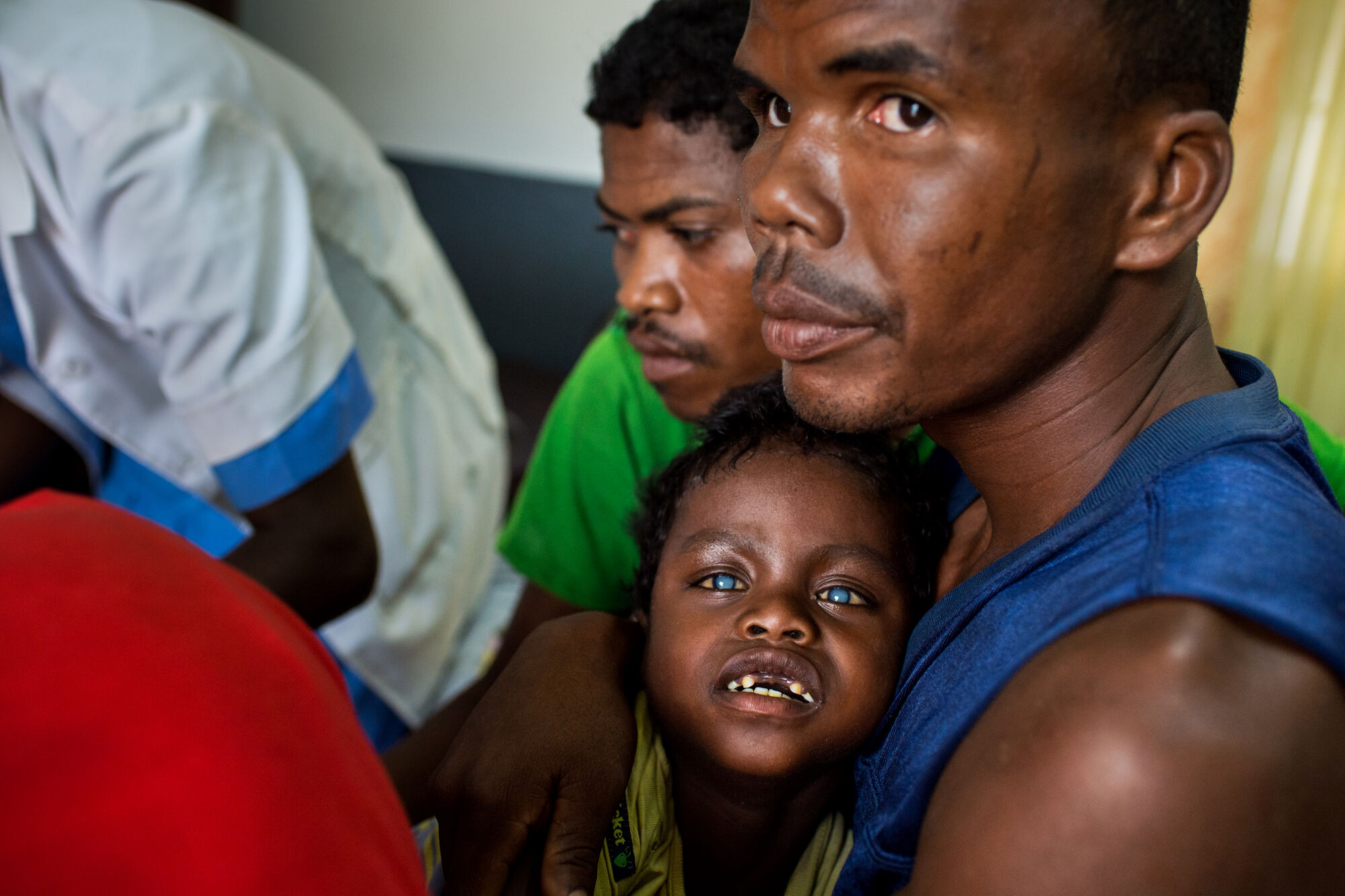


In Siraha, eastern Nepal, 10-year-old Samjhana Kamati and her younger brother Anshu, aged 6, once lived in near darkness. Both children were born with bilateral cataracts, a condition that gradually clouded their vision and threatened to take away their childhoods.
For years, their mother Sushila could only watch as her children struggled. Daily tasks like fetching water were dangerous, and school became impossible. “We hoped for treatment, but we had no money to seek help,” Sushila explained.
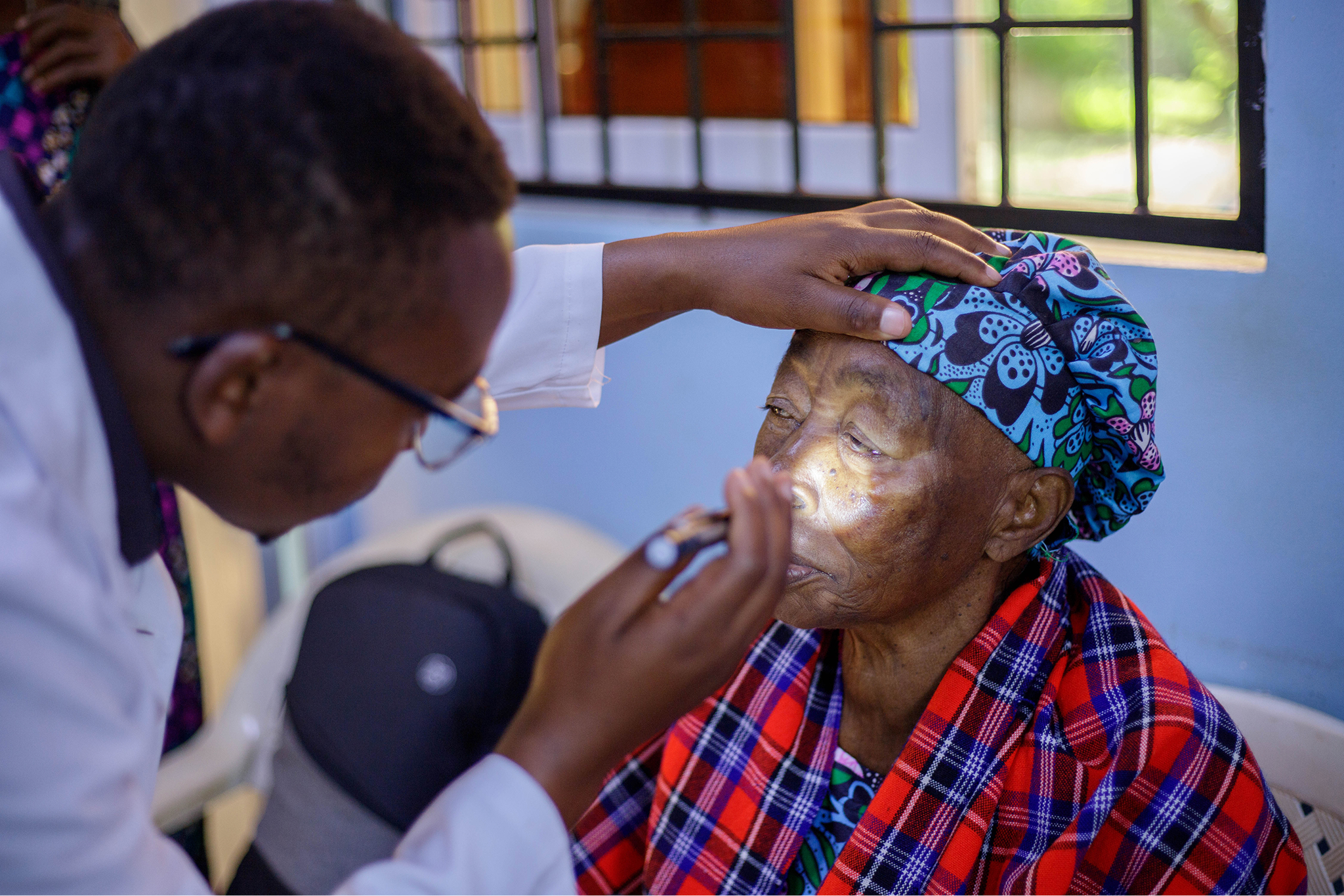
Everything changed when a CBM Global partner, Sagarmatha Chaudhary Eye Hospital, identified the siblings through outreach. Both children received cataract surgery, followed by bifocal glasses to help them read and write.
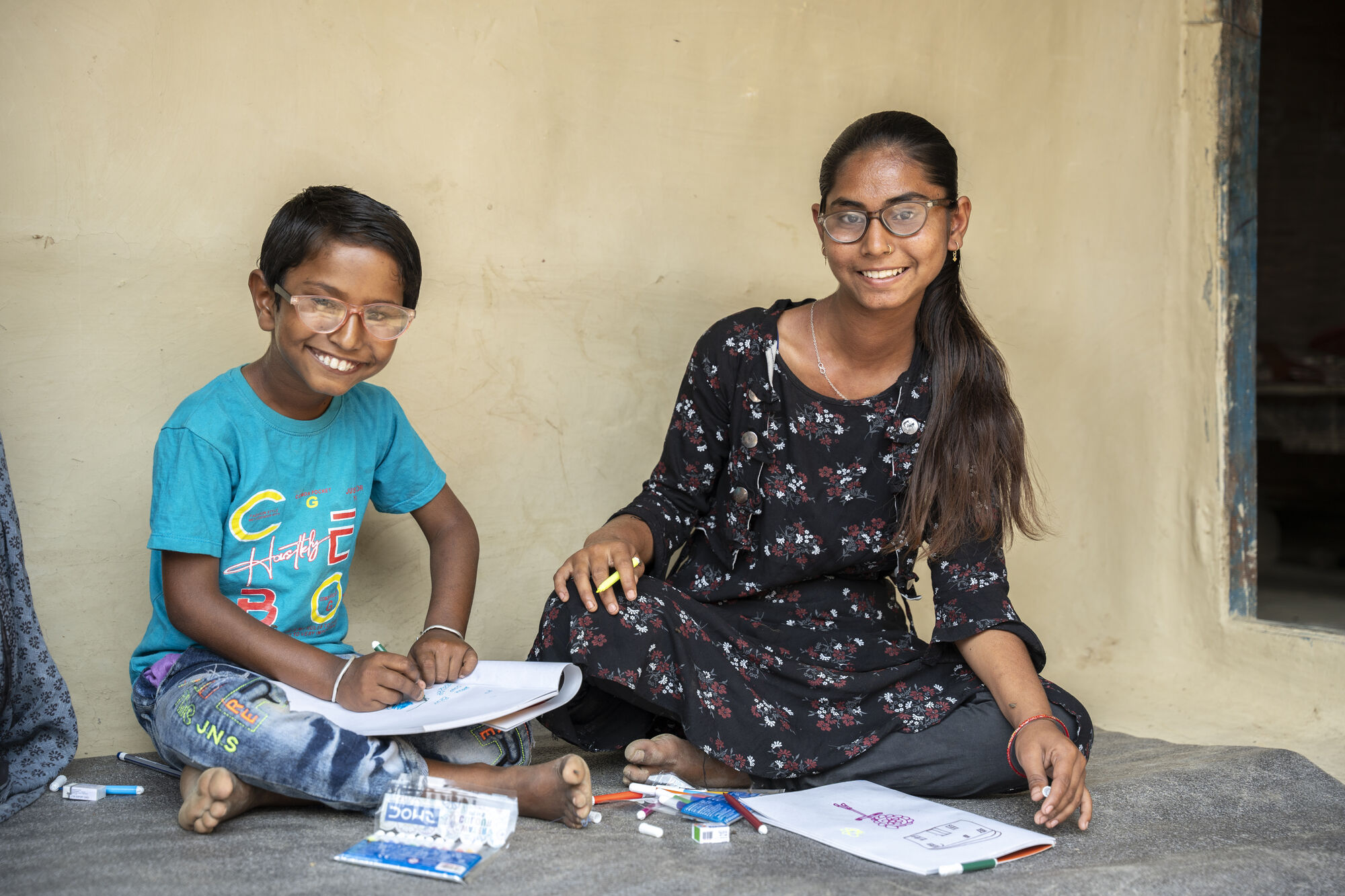
The difference has been life-changing. “I can see better than before. I can see clearly with both eyes. I help with chores like sweeping and fetching water,” says Samjhana proudly. Most of all, she’s happy to be back in school. “Now I can see the words written by my teachers on the blackboard. I like to draw and paint. My favourite colour is pink.”
Anshu, too, is thriving: “I like going to school and playing. I also enjoy drawing with coloured pens. My favourite colour is green.”
Their mother notices the change every day. “They help more with household chores and are doing well in their studies. Things are much better now,” she says with relief.
Field staff from the hospital continue to monitor the children’s recovery, ensuring their vision remains strong and supporting them if new challenges arise. Thanks to timely treatment, Samjhana and Anshu can now look forward to the future with confidence—returning to school, playing with friends, and dreaming like children should.